How Colorado Springs Weather Affects Your Home: Water Damage Restoration Prevention Tips
Published: 2026-04-05 · By GoodGuys Water Damage Restoration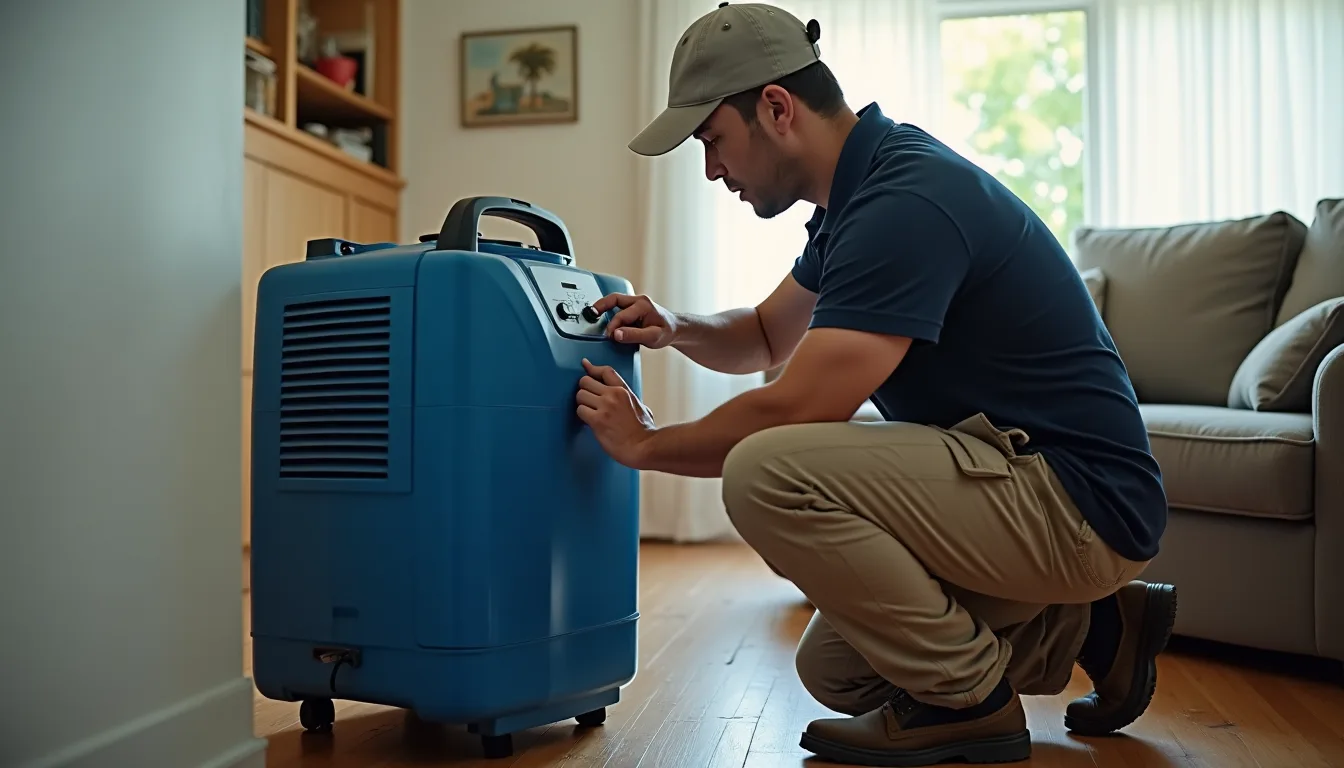
As a homeowner in Colorado Springs, you may find yourself feeling the impact of the unpredictable weather in our area. One moment, you’re enjoying a sunny day; the next, a sudden hailstorm leaves you scrambling to check your home for damages. As spring arrives, cherries blossom but so do flood risks from snowmelt combined with those pesky freeze-thaw cycles. Understanding how these conditions affect your home is essential for prevention and quick recovery when things don't go as planned.
Why This Matters for Colorado Springs Homeowners
In Colorado Springs, the unique geographic and climatic factors can create a perfect storm for water damage. Homes built on expansive clay soils present specific drainage challenges. When heavy rains follow rapid temperature shifts, the soil can expand and contract, leading to drainage issues that leave homes vulnerable. Further complicating matters is the seasonal freeze-thaw cycle; when water seeps into cracks or crevices and then freezes, it can widen those openings, increasing the likelihood of leaks and structural damage. Consequently, it’s crucial for homeowners to be proactive about water damage prevention.
Tip: Regularly inspect your gutters and downspouts to ensure they are free of debris. Damaged or clogged gutters can send water straight towards your foundation.
Moreover, the heavy snowmelt during spring is a double-edged sword. As the temperature rises, melting snow can quickly overwhelm inadequate drainage systems, causing basement flooding and persistent moisture issues. Many homeowners underestimate the urgency of addressing these concerns, potentially leading to costly repairs down the line.
Expert Solutions & Actionable Tips
1. Inspecting Your Gutters
Make it a point to examine your gutters seasonally, especially as winter transitions to spring. Ensure they are clear of leaves, twigs, and ice. Neglecting this simple task can lead to water backflow into your home. A gutter cleaning service can cost between $75 and $150, which is much cheaper than flood damage repairs that can start at $1,500.
If you feel comfortable, consider performing this maintenance yourself—just remember to use proper safety gear. By investing even a couple of hours into this task, you can prevent potential disasters and save considerable expenses later.
2. Implementing Proper Grading
Ensure that your landscape slopes away from your home to direct water runoff efficiently. Poor grading can trap water near your foundation, leading to serious issues like seepage and cracks. Many homes in Colorado Springs suffer from this problem due to our clayey soil composition.
If you need to adjust your yard's grading, hiring a landscape professional may cost between $1,000 and $2,500, but the expense is justified when you consider the long-term protection it offers to your home.
3. Installing a Sump Pump
If your home tends to flood during heavy rain or snowmelt, consider installing a sump pump. This device can effectively remove excess water from your basement, protecting it from damage. A typical sump pump installation can cost you anywhere from $600 to $2,000, depending on the complexity.
Though it may seem like an upfront expense, think of it as insurance against potential repair costs that can reach into the thousands if left untreated.
4. Regularly Checking for Cracks
Every season, inspect your home's foundation and walls for any cracks or signs of water intrusion. Small fissures can quickly escalate if not addressed. If you find any cracks larger than a quarter-inch, they may require professional repair.
This type of foundation repair can range from $500 to $3,000 based on the severity. Taking time to monitor your home's structure can save you from significant financial burdens.
5. Understanding Local Plumbing Systems
Become familiar with Colorado Springs’ water systems, including how your plumbing is integrated into the local soil and drainage. Knowledge of your plumbing can help prevent backflow issues that lead to water damage.
Consider investing in regular plumbing inspections, which may cost between $200 and $400. Engaging a local plumber knowledgeable about our geological conditions can ensure all systems function optimally, adding another layer of protection for your home.
6. Immediate Water Damage Mitigation
Timing is crucial when handling any signs of water damage. If you notice damp spots on walls or ceilings, act swiftly to minimize long-term damage. Utilize fans and dehumidifiers to dry areas out, or contact a professional service immediately.
The longer you wait, the higher the potential for mold growth, which can add $2,000 to $6,000 to repair costs if severe. It’s vital to treat water damage as an urgent matter.
Colorado Springs Climate & Local Context
Colorado Springs is characterized by its variable climate, which greatly influences the integrity of residential properties. The presence of expansive clay soils means the ground can significantly expand and contract, especially with rapid temperature changes common in late winter and early spring. As structures react to these conditions, homeowners must pay close attention to drainage solutions that can mitigate water flow and prevent pooling.
The local building codes often mandate specific drainage systems for homes built on such soil types. Homeowners should familiarize themselves with these regulations, ensuring compliance to avoid fines or additional costs related to improper installations. Consultation with a local contractor who understands these nuances can prove invaluable in protecting your home effectively.
When to Call a Professional
While it can be tempting to tackle water damage issues on your own, there are situations that warrant professional intervention. DIY repair can save money, but some scenarios necessitate expert advice to ensure safety and effectiveness.
- Severe flooding that submerges electrical outlets.
- Damage caused by sewage backups, which pose health risks.
- Mold growth exceeding 10 square feet.
- Unexplained dampness leading to structural changes.
- Signs of significant foundation cracking.
- Compromised walls or ceilings that may collapse.
When in doubt, calling a professional like GoodGuys Water Damage Restoration can keep you from experiencing further damage and costly repairs, providing peace of mind and thorough damage assessment.
Frequently Asked Questions
What are common causes of water damage in Colorado Springs?
Common causes of water damage in our area include snowmelt runoff during spring rains, inadequate drainage due to expansive clay soils, and leaky plumbing systems. Each can lead to substantial issues if not promptly addressed.
How much does water damage restoration cost?
The average cost of water damage restoration ranges from $1,500 to $5,000, with factors like the extent of the damage and rotting materials influencing the total. It’s essential to assess the situation early for accurate estimates.
Is it necessary to hire professionals for mold removal?
Yes, professional intervention is recommended for mold removal, especially if the affected area exceeds 10 square feet or if the source of moisture could lead to additional complications.
What steps should I take following a water damage event?
First, ensure the safety of your family and shut off any electrical systems. Next, remove standing water, and begin drying affected areas. Don't hesitate to reach out to professionals like GoodGuys for a thorough assessment and restoration plan.
Can I prevent water damage during the winter months?
Yes! Regular maintenance such as insulating pipes, clearing gutters, and ensuring proper grading around your foundation greatly reduces the risk of winter-related water damage.
Get Expert Water Damage Restoration Service in Colorado Springs
Understanding how Colorado Springs' weather impacts your home is critical for safeguarding your property against water damage. If you suspect any issues or are currently facing water-related challenges, don’t hesitate to reach out to GoodGuys Water Damage Restoration.
Call (719) 223-0417 today for expert advice and speedy solutions tailored to your needs as a Colorado Springs homeowner.
More Articles
DIY vs Professional Water Damage Restoration: When to Call the Experts
2026-04-05
Water Damage RestorationTop 5 Water Damage Restoration Prevention Tips Every Colorado Springs Homeowner Should Know
2026-04-05
Water Damage RestorationHow to Choose the Best Water Damage Restoration Company in Colorado Springs
2026-04-05